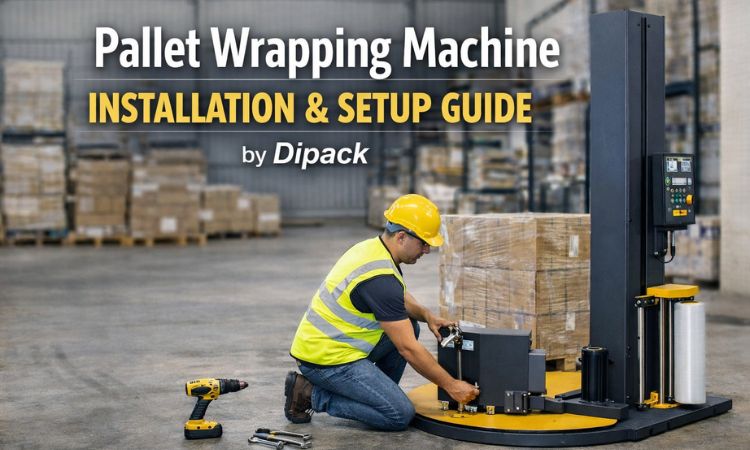
Pallet wrapping machine installation is quick and straightforward when you prepare the site, follow the steps in order, and test the machine before production. Most turntable machines can be installed in about 1 to 3 hours. This guide walks you through the full process: tools, floor preparation, mounting, electrical connection, film loading, settings, and the first test run. What is a Pallet Wrapping Machine and Why Proper Setup Matters A pallet wrapping machine rotates the pallet (or, in some models, the film arm) while applying stretch film evenly around the load. This keeps goods tight and secure during handling and transportation. Compared with manual wrapping, an automatic pallet wrapper saves time, cuts labor, and gives the same wrapping quality on every pallet. A correct setup is what makes those benefits real. It: Keeps the machine stable and reduces vibration. Lets the turntable rotate smoothly and quietly. Improves film usage and reduces waste. Protects operators from electrical and moving-part hazards. Prevents early wear on the motor, bearings, and drive parts. A poorly installed machine causes uneven wrapping, film tearing, and unexpected stops. In short, good pallet wrapping machine installation protects your machine, your operators, and your loads. Proper installation and setup are very important because they help: Proper installation and setup are very important because it helps to maintain the machine’s stability. By proper installation and setup, we ensure that the spinning platform is rotating smoothly. It also helps to improve film usage and to use the film very efficiently. By proper installation and setup, the safety of operators increases. Proper installation and setup are very important because if the machine is not installed correctly, then it may lead to uneven wrapping or operation issues, and a well-installed pallet wrapping machine improves productivity and helps in managing packaging operations more efficiently. Tools and Requirements Before You Begin Installation Before the installation process begins for the pallet wrapping machine, it is important to prepare the required tools for installation and also ensure the requirements of installation, such as whether the area where the pallet wrapping machine is to be installed is ready or not. Basic Tools Required for Installation For the installation of pallet wrapping machines, people have a wrench or spanner set. The tool required for the installation of the pallet wrapping machine is screwdrivers. Allen keys are also important for the installation of pallet wrapping machines. For the installation of a pallet wrapping machine, measuring tape is required. A spirit level for proper alignment is also needed for installation. Basic Tools Required for Installation For the installation of a pallet wrapping machine, a flat and stable floor surface is required. Enough working space is required around the pallet stretch wrapper for installation of the wrapping machine. A proper electrical power supply is also required for the installation of pallet wrapping machines. Safety equipment, such as gloves, is the most important requirement for the installation of wrapping machines. A stable surface ensures that the industrial packaging machine works very easily without any vibration or imbalance, and tools should be prepared before the installation, because it makes the installation process quick and more convenient. Step-by-Step Installation Process for Your Pallet Wrapping Machine Step 1 – Unboxing and Inspecting the Machine In the first step, operators carefully unbox the machine and remove the protective packaging from the machine, and they also ensure that all parts of the machine are available without any damage. Operators should check the following parts: Turntable base. Vertical mast. Film carriage. Control panel. Electrical wiring. Operators inspect every part to make sure that there is no damage caused during shipping, and if any parts look damaged, then contact the supplier before installing the machine. From this inspection, people can prevent future problems. Step 2 – Positioning and Floor Mounting In the second step, place the machine in the location selected for installing the machine because the correct placement of the machine helps in operating safely and efficiently. The area should have: A flat concrete floor. Enough space for pallet movement. Proper clearance around the machine. To check that the machine is perfectly placed and balanced, people have to use a spirit level, and if it is not properly balanced, then they use the anchor bolts to attach the machine to the floor because proper positioning of the machine ensures that the machine rotates smoothly and prevents unnecessary vibration while working. Step 3 – Electrical Connection and Power Setup After placing the pallet wrapping machine in its location, connect the machine to the power supply. Follow these safety guidelines: Use the recommended voltage mentioned in the user manual. Ensure proper grounding or earthing. Avoid loose or uncovered electrical wires. People always have to call the qualified technician to give the power supply to the machine because correct electrical setups ensure that the pallet wrapping machine works safely and protects the machine from losing power supply and getting damaged. Step 4 – Loading the Stretch Film Roll After connecting the machine to the power supply, the next step is loading the stretched film roll into the machine. Follow these steps for loading the stretch film roll: Open the film carriage holder. Insert the stretch film roll correctly. Pass the film through the guide rollers. Pull the film and attach it to the pallet. Using a good quality of stretch film can improve the wrapping strength and keep the pallet load secure, and most stretch wrapping machines support different types of film thickness depending on their packaging needs. Step 5 – Configuring the Control Panel Settings The next step after loading a stretch film roll is adjusting the control panel settings, which means that the modern machine comes with a user-friendly control panel that allows operators to adjust the various settings according to their needs. Common settings include: The platform rotation speed. The film’s tension level. The number of top and bottom wraps. The carriage movement speed. Adjusting these settings correctly helps people to achieve consistent wrapping results and take the best