
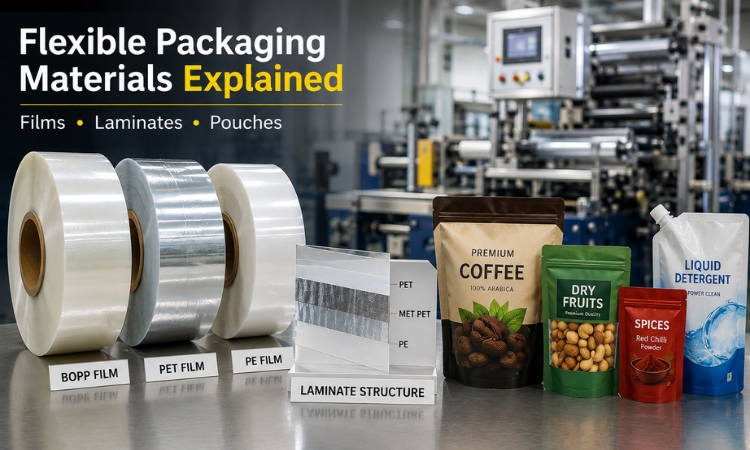
Selecting the right flexible packaging materials is one of the biggest challenges for businesses that want to protect their products while keeping packaging costs under control. Using the wrong material can lead to product damage, reduced shelf life, higher transportation expenses, and poor customer satisfaction. Whether you’re packaging food, pharmaceuticals, cosmetics, or industrial goods, choosing the right combination of films, laminates, or pouches is essential for maintaining product quality and improving supply chain efficiency. In this guide, you’ll learn what flexible packaging materials are, their different types, key benefits, common applications, and practical tips for selecting the best option for your packaging needs. By the end, you’ll have a clear understanding of how the right packaging material can enhance product protection, reduce costs, and support your business goals. What Are Flexible Packaging Materials? Flexible Packaging Materials are packaging materials that can easily bend or change shape while protecting the product inside. Unlike glass jars, metal containers, or rigid plastic boxes, flexible packaging uses lightweight materials such as plastic films, laminates, and pouches. Today, flexible packaging is widely used because it offers: Lower packaging costs Better product protection Improved shelf appeal Reduced transportation expenses Greater design flexibility In addition, flexible packaging works efficiently with modern packaging machinery, helping manufacturers improve productivity and packaging consistency. Industries That Use Flexible Packaging Materials Flexible packaging has become a preferred choice across multiple industries. Food & Beverage Industry Used for snacks, coffee, spices, frozen foods, dairy products, pet food, and ready-to-eat meals. Pharmaceutical Industry Used for tablets, powders, medical devices, and healthcare products requiring protection from moisture and contamination. FMCG Industry Flexible packaging is widely used in detergents, personal care products, household items, and other fast-moving consumer goods, supporting efficient FMCG packaging solutions for protection, branding, and transportation. Agriculture Industry Used for seeds, fertilizers, and crop protection products. Chemical Industry Provides safe packaging for industrial chemicals and specialty products. E-commerce & Retail Helps protect products while reducing shipping costs. Benefits of Flexible Packaging Materials Flexible packaging offers several advantages compared to traditional packaging formats: Reduced material consumption Lower transportation costs Better product protection Extended shelf life Enhanced branding opportunities Improved storage efficiency Compatibility with automated packaging equipment Availability of sustainable packaging options These benefits make flexible packaging one of the fastest-growing packaging segments worldwide. Understanding the Three Core Components of Flexible Packaging 1. Films Films are the base material used in flexible packaging. They provide properties such as: Printability Transparency Sealing performance Moisture resistance Think of films as the foundation of the packaging structure. 2. Laminates A single film often cannot provide all the protection a product needs. Laminates are created by combining multiple layers of materials to improve strength and barrier performance. 3. Pouches Pouches are the final packaging format created from films and laminates. They provide convenience, product protection, and attractive shelf presentation. Simply put: Films → Laminates → Pouches Packaging Films Explained Different films offer different benefits. Choosing the right one depends on your product requirements. BOPP Film BOPP (Biaxially Oriented Polypropylene) is one of the most widely used packaging films. Best for: Snacks Biscuits Bakery products Advantages: Excellent print quality High clarity Good moisture resistance PET Film PET (Polyester Film) is known for its strength and durability. Best for: Coffee packaging Personal care products Premium food packaging Advantages: High strength Heat resistance Premium appearance PE Film PE (Polyethylene Film) is commonly used because of its flexibility and sealing properties. Best for: Frozen foods Industrial products Agricultural products Advantages: Excellent sealing Moisture protection Cost-effective Packaging Films Explained Different films offer different benefits. Choosing the right one depends on your product requirements. BOPP Film BOPP (Biaxially Oriented Polypropylene) is one of the most widely used packaging films. Best for: Snacks Biscuits Bakery products Advantages: Excellent print quality High clarity Good moisture resistance PET Film PET (Polyester Film) is known for its strength and durability. Best for: Coffee packaging Personal care products Premium food packaging Advantages: High strength Heat resistance Premium appearance PE Film PE (Polyethylene Film) is commonly used because of its flexibility and sealing properties. Best for: Frozen foods Industrial products Agricultural products Advantages: Excellent sealing Moisture protection Cost-effective Films vs Laminates: What’s the Difference? FEATURE FILM LAMINATE STRUCTURE SINGLE LAYER MULTIPLE LAYERS PROTECTION MODERATE HIGH COST LOWER HIGHER SHELF LIFE BASIC ADVANCED BARRIER BASIC ADVANCED What Are High-Barrier Laminates and Why Do Brands Use Them? High-barrier laminates protect products from environmental exposure. High barrier laminates offer: Oxygen barrier for freshness Moisture barrier for dry products Aroma barrier for coffee and spices UV barrier for light-sensitive goods Different Types of Pouches and Their Ideal Applications The pouch format can significantly impact product convenience and shelf appeal. Stand-Up Pouch One of the most popular packaging formats. Best for: Dry fruits Snacks Coffee Pet food Why brands prefer it: Excellent shelf visibility Premium appearance Flat Pouch A simple and economical packaging option. Best for: Spices Powders Small food products Zipper Pouch Designed for products that require resealing. Best for: Coffee Dry fruits Health supplements Benefits: Better convenience Extended freshness Spout Pouch Ideal for liquid products. Best for: Sauces Beverages Liquid detergents How to Choose the Right Flexible Packaging Material (Step-by-Step Guide) Step 1: Understand Your Product Determine whether your product is: Food Pharmaceutical Chemical Industrial Consumer goods Each product category has different packaging requirements. Step 2: Determine Barrier Requirements Evaluate sensitivity to: Oxygen Moisture Light Aroma loss Products with higher sensitivity require stronger barrier structures. Step 3: Estimate Shelf Life Longer shelf life requirements generally require laminate structures with enhanced barrier properties. Step 4: Evaluate Transportation Conditions Consider: Temperature Humidity Handling conditions Shipping distance Transportation conditions can significantly impact packaging performance. Step 5: Ensure Packaging Machinery Compatibility Material selection should always match filling, sealing, and packaging equipment requirements. Businesses using automated packaging systems should also ensure compatibility with their packaging machinery and production processes. For palletized products, combining flexible packaging with internal wrapping solutions such as Stretch Wrapping Machines can help improve load stability and reduce transportation damage. Flexible Packaging Material Selection Chart