
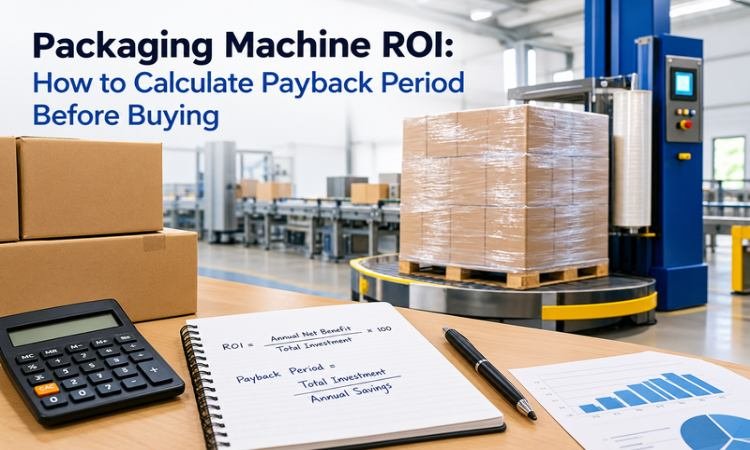
A packaging machine can save manpower, ensure packing uniformity, reduce material consumption, and improve daily production. However, these benefits must outweigh the cost of purchasing, installing, and operating the equipment. Packaging machine ROI indicates the financial return on this investment, while the packaging machine payback period is the amount of time it takes to recover the initial investment through savings and other measurable financial benefits. Both are important for manufacturers, warehouses, and distribution centres when evaluating equipment, considering its operating costs and production requirements, and assessing the overall value of the investment over its useful life. What Does Packaging Machine ROI Mean? ROI (Return on Investment) for a packaging machine measures the financial return generated by the investment made in the equipment. The formula for simple annual ROI is: Simple Annual ROI (%) = Annual Net Financial Benefit ÷ Total Initial Investment × 100 The annual net financial benefit can include measurable savings from: Reduced packaging labour costs Lower material consumption Higher production output, where the additional capacity can be used profitably Reduced packaging-related downtime Less rework and fewer damaged products Other operating cost reductions directly associated with the machine ROI can be used to compare investments, while the payback period provides an estimate of how long it will take to recover the initial investment. These calculations provide a useful starting point for evaluating packaging equipment. However, they are estimates based on the costs, savings, and operating conditions used in the calculation. How to Calculate Packaging Machine Payback Period The basic formula is: Payback Period = Total Initial Investment ÷ Annual Net Savings For a more accurate calculation, first determine the total investment and then estimate the machine’s annual financial benefits after accounting for additional operating costs. Step 1: Calculate the Total Packaging Machine Investment Do not consider only the machine’s quoted purchase price. Depending on the project, the initial investment may include freight, taxes, tooling, and other necessary costs in addition to the following: Cost What to Consider Machine purchase price Quoted equipment cost Installation Installation, commissioning, and setup Electrical or infrastructure work Required power supply, space, or supporting modifications Training Operator or maintenance training, if charged separately Integration Additional equipment or production line integration costs Initial consumables Any required startup materials Freight and other project costs Transportation, applicable taxes, tooling, and other necessary expenses, where relevant For example, if a machine costs ₹8 lakh and installation and related setup costs add another ₹1 lakh, the initial investment is ₹9 lakh, assuming there are no other costs to include. Step 2: Estimate Current Packaging Costs Do not invest in automation without establishing a baseline. Record the costs of your current packaging process for a typical month or year. Include: Number of employees involved in the activity Labour hours Packaging material consumed Output per shift Additional working hours or shifts required because of packaging delays Downtime Rework and damaged products Current maintenance costs for the existing process This step is important because it establishes a baseline against which you can compare the actual operating costs and performance of the packaging machine rather than relying on assumptions. Use consistent measurement periods when comparing the existing process with the proposed machine. For example, compare annual costs with annual costs rather than comparing one month’s savings with a full year’s investment. Step 3: Calculate the Expected Annual Savings Packaging machines can add value in several ways. Labour Cost Savings Automation can potentially reduce labour requirements in a specific packaging application. Calculate the actual annual labour cost reduction resulting from the change. For example: Annual Labour Savings = Monthly Labour Cost Reduced × 12 Do not assume that all current employee salaries will become savings. The actual financial benefit may be different if employees are reassigned to other production tasks. Productivity Gains A machine can package more units in the same amount of time. The financial value comes from the additional productive capacity, provided that the business can use it. For instance, a 20% increase in packaged units does not automatically guarantee a 20% increase in profit. The additional production capacity must be supported by sufficient demand, available storage, adequate upstream production capacity, and a realistic opportunity to generate value from the extra output. Only include productivity gains in the ROI calculation when they can be translated into a measurable financial benefit. Avoid counting the same benefit again under labour savings or reduced downtime. Material Savings In some cases, automation can improve consistency and reduce packaging material waste. Calculate: Annual Material Savings = Annual Material Cost Before Automation − Annual Material Cost After Automation Use measured consumption wherever possible rather than assuming a fixed percentage reduction. The comparison should account for changes in production volume, packaging specifications, and material prices. Otherwise, the estimated savings may not reflect the actual benefit of the machine. Downtime and Rework If manual packaging causes delays, inconsistent packing, or avoidable rework, the financial impact can be included when it can be measured reliably. For example: Annual Downtime Savings = Recoverable Financial Value from Reduced Downtime Be careful with this figure. Lost production should only be counted as a financial benefit when the business can realistically recover that output and generate value from it. For example, reducing downtime may allow a manufacturer to fulfil additional customer orders. However, if the business cannot sell or use the additional output, the reduction in downtime may not translate into an equivalent financial saving. Similarly, avoid counting the same benefit under both downtime savings and productivity gains. A Simple Packaging Machine ROI Example Assume a manufacturer is considering a packaging machine with the following costs and expected benefits: Machine and installation cost: ₹9 lakh Estimated annual labour savings: ₹3 lakh Estimated annual material savings: ₹1.2 lakh Estimated annual financial benefit from reduced downtime: ₹80,000 Additional annual operating and maintenance costs: ₹1 lakh For this example, assume that the ₹9 lakh investment includes all applicable initial project costs and that the listed savings are achievable, measurable, and separate from one another. The expected annual
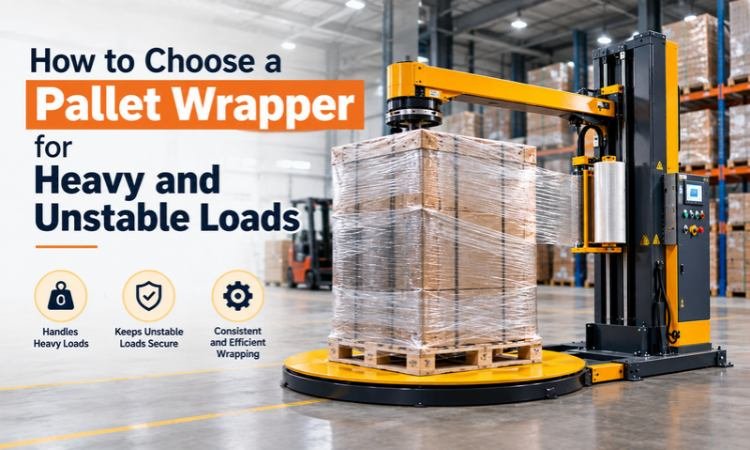
How to Choose a Pallet Wrapper for Heavy and Unstable Loads
When you’re shipping goods, unstable and heavy palettes that can shift, topple, or lean that have become damaged for transportation and handling. This actually creates a highly massive risk for the product loss plus workplace injuries. Choosing the right type of equipment is not about finding the machine that has the maximum load weight. For actually securing the shipments, the buyers need to consider the load dimensions, film tension, weight distribution, wrapping patterns, and pre-stretch capabilities for the overall machine configuration. In this blog, we will learn exactly how you can exactly evaluate the needs for selecting the perfect pallet wrapper for heavy and unstable loads for keeping the products safe and the operations efficient. Why Heavy and Unstable Loads Need the Right Pallet Wrapper The difficult loads thus require the highly controlled wrapping for uniform, standard pallets. When dealing with the heavy pallet loads or the unstable pallet loads, the real goal is actual containment, not just about wrapping the pallet that is tightly possible. Certain factors can make the loads challenging: Narrow or tall loads: These are the high center of gravity that can be prone to swinging. Uneven weight distribution: The top-heavy items that will tip over quickly. Irregular-shaped products: Machinery, pipes, or those odd boxes that can create gaps where films can snap. Heavy components and cartons: These do require immense holding force to stop it from shifting. Forklift handling risks: Sudden turns or stops that can easily dodge for that poorly secured pallet. Achieving the proper pallet stability means those films can hold the load together for the single and sold unit. The right pallet packaging strategy can ensure that the load will survive the sudden stops, rough roads, or longer-distance transits without any kind of collapse. What to Check Before Choosing a Pallet Wrapper Before you look for those specific machines, evaluate the real packaging environment towards the practical checklist: Load Weight The max pallet weight will dictate the machine’s capacity for the strength of its turntable or the support structure. Do account for the weight variations. Load Dimensions Measuring the exact length and width along with the height of the pallets. The oversized loads require the specialized machines for extended carriages of the open-side designs. Load Shape and Stability Narrow, tall, and irregular or those loosely tacked products that can be standard boxes. These require the specific wrapping approaches, like the reinforced top plus the bottom wraps, for maintaining integrity. Daily Pallet Volume If you are wrapping those hundred pallets a day, the higher throughput can justify the investment for fully automated systems for those quicker wrapping cycles. Available Floor Space Consider that machine footprint. You require enough room towards the forklifts for approaching, loading, and unloading the pallets without hitting the walls or those other pieces of equipment. Which Pallet Wrapper Is Best for Heavy and Unstable Loads? Not all those machines are created equally. Here’s the basic comparison for helping you decide the type of configuration that fits your needs: Wrapper Typex Suitable For Important Consideration Turntable Wrapper General applications and stable loads The load needs to be positioned perfectly; rotating for the top-heavy loads can be risky. Rotary Arm Wrapper Heavy and tall loads for less-stable loads. The load will stay stationary while the arm will rotate around that, preventing tips Robot Wrapper Variable locations or those changing load sizes. Flexible, this requires unobstructed, stable operating space. Automatic Wrapper High-volume and repetitive operations Great towards consistent & hands-free wrapping towards conveyor line. Semi-Automatic Wrapper Medium-volume for operations Requiring the operator for attaching the film & starting the cycle. For those truly difficult shipments, a pallet wrapper for heavy loads for the rotary arm configuration is often the great choice. As the pallet never moves or spins, there’s zero risk for load shifting or toppling for the wrapping process. Key Pallet Wrapper Features for Heavy Loads When comparing machines, don’t look only at price. Pay attention to the features that directly affect load containment and wrapping consistency. 1. Suitable Load Capacity The machine must safely handle the weight of your pallets. Check the maximum rated load and compare it with your heaviest pallet, rather than choosing based on average weight. 2. Adjustable Film Tension Film tension determines how tightly the film is applied around the load. Controlled tension can help improve load containment while reducing the risk of crushing cartons or damaging sensitive products. 3. Pre-Stretch Control Pre-stretch allows the film to be stretched before it is applied to the pallet. The correct pre-stretch setting can help improve film efficiency and create more consistent wrapping. The appropriate setting depends on the film and the application. 4. Adjustable Wrapping Speed Different loads may require different wrapping speeds. Having adjustable speed allows the operator to use a suitable cycle for the load instead of treating every pallet in exactly the same way. 5. Adjustable Wrapping Patterns Some loads need additional wrapping around the top or bottom sections. A machine with programmable or adjustable wrapping cycles can provide greater control for different pallet configurations. 6. Appropriate Machine Configuration The arm, turntable, mast, and other machine components should match your pallet dimensions and load characteristics. For heavy or unstable loads, keeping the pallet stationary during wrapping may be an important consideration. 7. Safety Features Safety should be considered from the beginning. Look for appropriate guarding, emergency-stop systems, operator controls, and other safety features required for the machine and workplace. How Film Selection Affects Heavy and Unstable Loads Film selection and machine selection should go hand in hand. Using the wrong pallet wrapping film can ruin everything, even the best of the best machines. Take in these factors: Film characteristics and film thickness: Higher stretch films provide better holding force, and thicker films provide a higher level of puncture resistance. Pre-Stretch Compatibility: Ensuring that machine stretch film is designed for stretch (often around 250%) without breaking. Holding Force: This is actually the film’s memory or the right kind of desire that provides the actual load
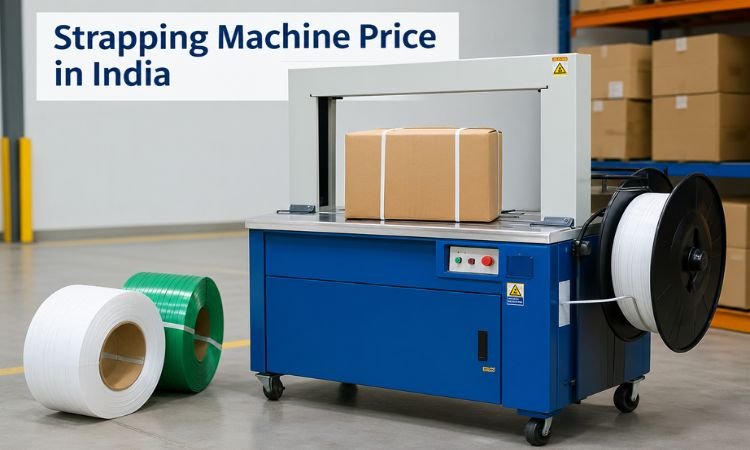
Strapping Machine Price in India: Cost Factors Explained (2026 Guide)
Most of the buyers compare only the basic sticker price and end up overpaying for consumables or that costly downtime. The basic reality is that a strapping machine price in India varies widely, from the ₹30,000 of these basic tools for over ₹4 Lakh towards advanced automated systems. The wider range depends fully on automation levels, material compatibility, and build quality. This guide will break down what exactly drives that cost, helping you to budget perfectly and avoid any kind of hidden expenses, plus choose a machine that can deliver a higher and longer-term value. Strapping Machine Price in India – Quick Overview If you’re in a hurry, here is a basic snapshot of what you can expect. The box strapping machine cost generally increases with the level of automation and production capacity required. Machine Types Basic Price Range (INR) Suited For Manual Strapping Tools ₹15,000 to ₹35,000 Occasional use, very low volume, tight budgets. Semi-Automatic Machines ₹45,000 to ₹1,20,000 Smaller to medium businesses (50–150 boxes/day). Fully Automatic Machines ₹1,50,000 to ₹4,00,000+ Higher-volume FMCG, export lines and e-commerce. Note: This is the general strapping machine price list estimation. The exact quotes depend on specific strap width, customization needs, and speed requirements. What Is a Strapping Machine? A strapping machine is packaging equipment used to secure cartons, boxes, bundles, pallets, and other suitable loads with plastic strapping. Depending on the machine, the process can include: Strap feeding Strap positioning Tensioning Sealing Cutting Resetting for the next cycle Manual tools require considerably more operator involvement, while automatic systems can perform most or all of the strapping cycle with minimal intervention. Strapping machines are commonly used in manufacturing, FMCG, e-commerce, logistics, warehouses, automotive, and other industries where packaged goods need to remain secure during storage and transportation. Types of Strapping Machines and Their Costs 1. Manual Strapping Tools Manual or portable strapping tools are generally suitable for businesses with limited packaging volumes. They have a relatively low initial investment and can be useful when products have irregular sizes or when strapping is not required continuously throughout the day. However, manual tools require more operator involvement and may not be suitable for businesses handling hundreds of packages every day. Indicative price: ₹15,000–₹35,000 2. Semi-Automatic Strapping Machines Semi-automatic machines offer a balance between affordability and productivity. The operator usually positions the package and starts the strapping cycle, while the machine performs functions such as tensioning and sealing. These machines are suitable for warehouses, manufacturing units, distributors, and other businesses with moderate packaging volumes. DIPACK lists semi-automatic models with features such as adjustable tension and strap compatibility in the 6–15 mm range, depending on the model. Indicative price: ₹45,000–₹1,20,000 3. Fully Automatic Strapping Machines Fully automatic machines are designed for businesses that need faster and more consistent packaging with less manual intervention. Depending on the configuration, these machines can automatically detect or position packages and perform strap feeding, tensioning, sealing, cutting, and resetting. They can also be integrated with conveyor-based packaging lines, making them suitable for continuous operations. Indicative price: ₹1,50,000–₹4,00,000 or more The exact cost depends on the machine configuration, speed, package dimensions, automation requirements, and integration with the existing production line. Find the Right Strapping Machine What Determines Strapping Machine Price? The price is not random; several factors influence it. Understanding these factors can help you evaluate quotes more effectively. Automation Level (Manual vs. Semi-Automatic vs. Fully Automatic) The automation level is one of the biggest price factors. A manual machine is cheaper but also slower. A basic semi-automatic machine adds motorized tensioning and sealing, generally increasing the cost compared with a manual setup. A fully automatic setup that can integrate with a conveyor and operate with minimal operator intervention can cost around three to four times more than a semi-automatic model. When evaluating the automatic strapping machine price, remember that the higher cost can also provide labor savings and more consistent operation. Strap Material Compatibility (PP vs. PET) Not all machines can handle every type of strap. PP (polypropylene) strapping is a standard and lightweight option. Machines designed to handle high-tension PET straps require stronger sealers, heavy-duty motors, and reinforced frames. These additional components can increase the machine’s baseline price when moving from basic PP compatibility to PET compatibility. Strapping Speed & Production Capacity Speed can also affect the price. A machine that straps around 10 boxes per minute can use standard components, while a machine designed for 40+ boxes per minute requires servo motors, high-speed sealing systems, and advanced PLC controllers. High-volume buyers may find this investment useful for preventing bottlenecks and maintaining consistent production. Build Quality & Machine Life A machine that is mild steel and thin, and the generic local motors that will be cheaper upfront but can fail early or warp material within a year. Matchings that feature stainless steel frames, imported European or Japanese motors, and the industrial-grade circuit boards that can initially last around 5 to 10 years for those minimal issues. After-Sales Service & Warranty Coverage This is generally ignored but can add that real-cost difference for suppliers. A basic, no-name supplier can provide a low price but that zero support. Reputable and trusted brands like DIPACK provide all-comprehensive warranties and complete pan-India service networks. Hidden Costs Buyers Often Miss (Total Cost of Ownership) Smart buyers look beyond the initial product price. The total cost of ownership can include: Consumable Costs: Cheaper machines may waste strap material because of inconsistent tension, increasing monthly strap roll costs. Installation and Training: Some suppliers charge separately for setup and training. DIPACK provides installation support and operator training to help ensure the machine is set up and used correctly from day one. Downtime Costs: A ₹40,000 machine that breaks down regularly and halts the dispatch line can ultimately cost more than investing in an ₹80,000 machine with better reliability. Semi-Automatic vs. Fully Automatic—Which Fits Your Budget? Use this simple framework to decide which option fits your requirements. Choose Semi-Automatic If: You operate a small warehouse or MSME strapping around
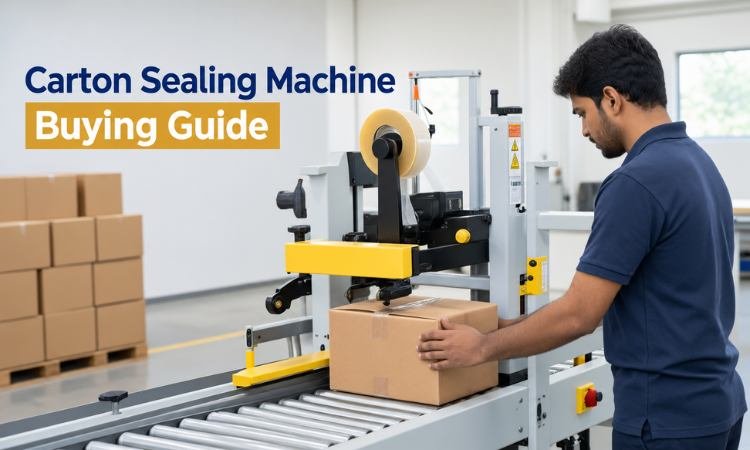
Carton Sealing Machine Buying Guide: Which Type Fits Your Production Line
Choosing a carton sealing machine is not simply about finding the lowest price. A machine may look suitable during the purchase process but fail to match your actual production speed, carton sizes, or packaging workflow. This is especially important when a production line handles different SKUs or needs continuous packaging. The right machine should match your carton volume, size variation, sealing requirements, and level of automation. In this carton sealing machine buying guide, we explain the main machine types and how to choose one based on your production line rather than only the specifications listed in a brochure. These considerations are relevant for packaging operations across FMCG, e-commerce, pharmaceuticals, food and beverage, and other industries. What Is a Carton Sealing Machine? A carton sealing machine automates one of the simplest but most repetitive packaging tasks: closing carton flaps and securing them with adhesive tape. The equipment can be used for small packing operations to continuous production lines, depending on the machine, the cartons can be manually placed or automatically conveyed. Before comparing models, first define what your line actually requires: Output: Number of cartons needed to be produced in an hour or minute. Range: Carton Fixed sizes or multiple sizes/SKUs carton range. Load: Average carton weight, Maximum carton weight. Packaging flow: Stand-alone or integrated with conveyors and other machines. Automation: Operator-assisted, semi-automatic or fully automatic. These details determine the right machine configuration. A high-speed automatic case sealer may be unnecessary for a low-volume line, while a basic fixed-size sealer can become a bottleneck when carton sizes and production volumes change frequently. The right machine is the one that fits the way your line actually work Types of Carton Sealing Machines Explained Carton sealers are available in different configurations. The right option depends mainly on production volume, carton consistency, available labour, and the level of automation required. Semi-Automatic Carton Sealers A semi-automatic carton sealer requires an operator to place and position the carton before the machine applies the tape. It can be a practical choice for: Small and medium production operations Lines with relatively consistent carton sizes Businesses moving away from manual taping Buyers with a limited automation budget Operations where manual carton handling is still required The main advantage is that it can improve sealing consistency without requiring a fully automated packaging line. Fully Automatic Case Sealers A fully automatic case sealer machine is designed for more automated packaging operations. Cartons can move through the machine on a conveyor, reducing the need for manual positioning. This type is generally suitable for: High-volume production Continuous packaging lines FMCG and manufacturing operations Lines already using conveyors and other automated equipment Businesses looking to reduce manual carton handling The machine should be selected according to the actual line speed rather than its maximum advertised speed. Random Carton Size (Auto-Adjust) Sealers A random carton size sealer automatically adjusts to different carton dimensions within its specified operating range. This can be useful when a business packs multiple SKUs or receives orders with different carton sizes. It is particularly relevant for e-commerce and fulfilment operations where carton dimensions can change frequently. For a carton sealer for ecommerce, check the machine’s minimum and maximum carton dimensions before making a decision. “Random size” does not mean unlimited carton sizes; every machine has a defined working range. Top & Bottom vs Side-Belt Drive Sealers The drive configuration also matters. Top and bottom belt drive machines grip the carton from the top and bottom while it passes through the sealing system. They can be suitable for regular cartons and applications where stable carton handling is required. Side-belt drive machines grip the carton from both sides. This configuration can be useful for certain taller or heavier cartons, depending on the carton dimensions and machine design. The correct choice should be based on the carton’s dimensions, weight, shape, and how it behaves while moving through the line. Match the Machine to Your Production Line A machine should earn its place on your product line. Rather than choosing by brochure speed or even brand name, then start with three things: how many cartons you seal, how much their sizes vary, and how your industry manages dispatch. Now, this makes it really easier to manage decide whether you need a semi-automatic sealer, an automatic case sealer machine, or a higher-speed setup. Choose by Daily Carton Volume Your daily carton count is one of the simplest ways to determine the right level of automation. And, these ranges are practical starting points, not fixed rules: Daily Carton Volume Suitable Machine Why It Fits Under 200 cartons/day Semi-automatic carton sealer Keeps investment and operator requirements lower while reducing repetitive manual taping. 200–1,000 cartons/day Semi-automatic or automatic sealer Suitable when packing volumes are growing and consistent sealing speed becomes important. 1,000+ cartons/day Automatic case sealer machine Better suited to continuous production, conveyor integration, and high-volume dispatch. The actual choice should also consider the number of cartons per minute needed, number of operators, and whether packaging is creating a bottleneck elsewhere in the line. A case sealing machine for high-speed packaging makes sense when the rest of the production flow can support its capacity. Choose by Carton Size Consistency For mixed carton sizes, a random carton volume. If you seal one standard carton size throughout the day, a fixed-format semi-automatic machine may provide everything you need. But if different SKUs move through the same line, repeatedly stopping to adjust the machine can reduce the benefits of automation. For mixed carton sizes, a random carton size sealer with automatic width and height adjustment is generally a more practical option. This is particularly useful for a carton sealer for e-commerce, where order dimensions can change from one shipment to the next. Choose by Industry Requirement Additionally, the right sealer relies on the type of packaging operation you’re running: Ecommerce: cartons vary in size and SKUs are often changing, which requires automatic adjustment and throughput. Packaging manufacturers in the FMCG segment are more interested in continuous operation, conveyor integration, and consistent
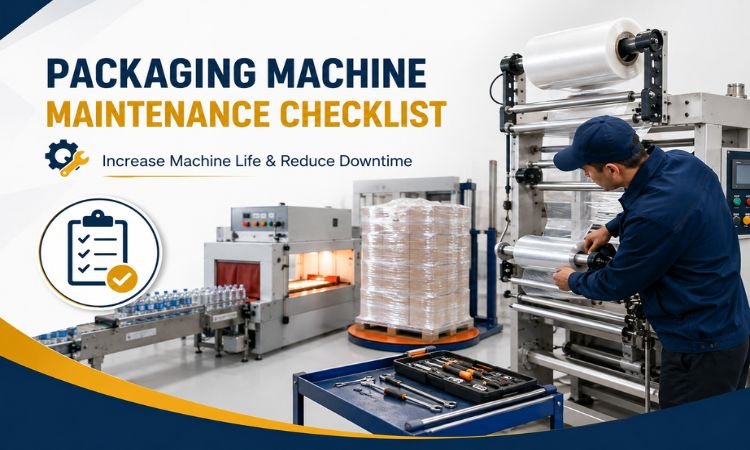
Packaging Machine Maintenance Checklist: Increase Machine Life & Reduce Downtime
A packaging machine breakdown can quickly turn into delayed orders, missed dispatch schedules and expensive emergency repairs. This packaging machine maintenance checklist gives you a practical routine for daily, weekly , monthly and annual checks across stretch wrapping, shrink wrapping, strapping and carton sealing machines. The goal is simple: you must catch simple issues before they become production-stopping problems. Regular inspections, cleaning lubrication and timely replacement of one component can help your machines run more consistently and safely while keeping unexpected repair costs under control. Why does packaging maintenance matter? Packaging equipment works through repeated movement, heat pressure and mechanical stress. Without regular packaging machine maintenance small problems like loose components, misaligned rollers or dirty sensors can eventually stop production. Unplanned downtime can mean delayed dispatches, urgent spare part purchases and rush repair charges. Preventive maintenance is different as checks are scheduled, problems are identified early and maintenance costs are easier to plan. Packaging Machine Maintenance Daily Checklist A few minutes of checking at the beginning and end of each shift could prevent many avoidable problems. Make these checks part of your daily routine: Check for loose bolts, exposed wires and obviously worn parts. Be sure to align the film or strap roll before starting production. Make sure guards are properly positioned. Check power connections and test the emergency stop. Watch for excessive heat or movement, abnormal noise or vibration. Weekly packaging machine maintenance checklists Weekly checks should not be just cleaning and visual inspections. You need to focus on components alignment, lubrication, sensors and machine performance. Only lubricate chains, bearings, rollers and conveyor components with the lubricants recommended by the manufacturer. Check tension and inspect the conveyor belt for cracking or excessive wear. · Check roller and turntable alignment. Check that strapping tension is the same for several cycles. · Inspect the photo-eye sensors for dust, damage, or improper positioning. Monthly and annual packaging machine maintenance checklists Monthly maintenance should involve deeper inspection of your machines mechanical electrical heating and control systems. You must check motors and drive systems for excessive heat, unusual sounds, loose belts and gearbox oil levels. Furthermore, you must inspect drive belts and replace them when wear becomes significant. For shrink wrapping and cartoon sealing machines you must inspect heating elements and sealing bars. Check temperature accuracy, heating performance and condition of Teflon tape. Annual maintenance should include more technical and electrical overhaul. You need to inspect major assemblies, connections, motor drives and bearings. Proactively replace common burnout parts like rollers belts and sealing wires instead of waiting for failure. Machine-specific maintenance tips Different packaging machines experience different types of wear and tear so your maintenance routine should reflect how each system operates. Stretch wrapping systems Check your turnable bearings for smooth movement and inspect the film carriage for proper tension. If wrapping quality changes, you need to check top plate pressure and recalibrate the tension setting. Shrink wrapping machines Always keep the heating chamber clean and free from film residue. Lubricate the conveyor chain as recommended and regularly check temperature sensor accuracy. Plastic strapping machines You need to inspect tension wheels for wear and clean the ceiling or welding head regularly. Keep the strap feed path clear and check for signs of uneven feeding. Carton forming and sealing system Clean ceiling table rollers and inspect folding arms for correct alignment. You also need to check photo-wise sensors and recalibrate them if cartons are not being detected consistently. Signs your packaging machine needs immediate servicing You should not wait for a complete breakdown if your machine starts showing warning signs. You need to arrange an inspection when you notice unusual noise, vibration or movement or machine components overheating. Furthermore, repeated error codes or alarms are also a warning sign and you should not ignore visible belt or roller belt issues. A machine that is still running can have a serious developing fault. Professional inspection is often safer and more cost-effective than waiting for the problem to stop production completely. Quick-Reference Maintenance Checklist Schedule Key Tasks Daily Inspect parts, test safety, clean residue, log faults Weekly Lubricate components, check belts, inspect sensors, check alignment Monthly Inspect drives, check heating, recalibrate controls, inspect wiring Annual Full overhaul, replace worn parts, inspect electricals, service safety systems Faqs How often should packaging machines be serviced? Basic checks should be performed every day, with deeper weekly and monthly inspections. A complete professional service is generally recommended at least annually or according to the manufacturer’s schedule. What is the average lifespan of a well-maintained packaging machine? Machine lifespan varies by machine type and workload. Regular servicing and timely replacement of burnt-out parts can significantly extend the useful operating life. Should I hire an in-house technician or outsource maintenance through amc? It all depends on your machine count and production requirements. An AMC can be practical when you need specialized support without maintaining a full-time mechanical team. Can poor maintenance void a machine’s warranty? It can depend on the manufacturer’s warranty terms. You always need to follow the manufacturer’s recommended schedule and use approved parts and service procedures where required. Conclusion Maintenance is an ongoing discipline and not a one-time repair. You must follow a clear packaging machine maintenance checklist as it helps identify wear and tear early, maintain consistent output and avoid unnecessary production interruptions. From daily cleaning to annual servicing, every check has a role in keeping equipment reliable. Dipack Proshield brings 14-plus years of experience to packaging equipment and Technical Support. Talk to our technical team to plan a maintenance approach suited to your machines and production needs
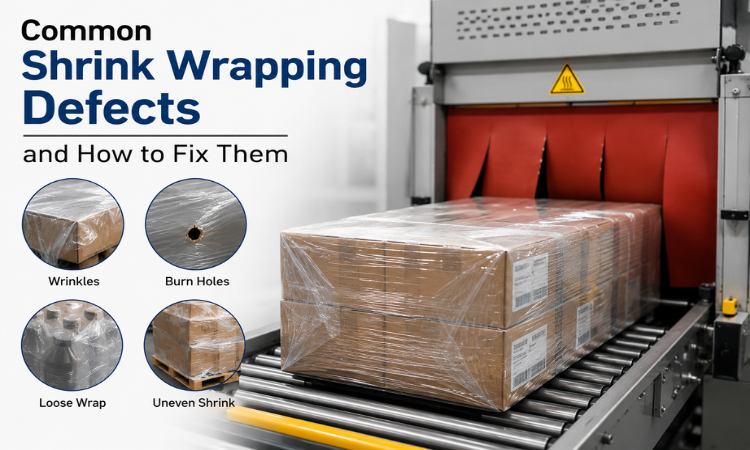
Common Shrink Wrapping Defects and How to Fix Them: A Practical Troubleshooting Guide
For industrial packaging, highly consistent packaging is important, especially when doing shrink wrapping. Even some basic shrink wrapping defects can be a source of getting the product damaged, wasted packaging materials and angry customer complaints along with high cost downtimes. But there’s good news, most of these issues can be prevented. For optimizing your shrink wrapping machine settings, going with the right type of shrink film plus following some basic operating practices, you can easily get great packaging every time. In this guide, we will help you learn on how to understand some common shrink wrapping problems, and get to their cause, and then apply the most effective fixes that will help in keeping your production line running efficiently and smoothly. What Are Shrink Wrapping Defects? The shrink wrapping defects are those visible flaws or those structural failures for packaging that will create issues in terms of product safety, stability and appearance. These shrink film defects occur when there’s a mismatch between the heat of the machine, tension or speed and the physical properties of the product or film itself. Some factors as in wrong temperatures, irregular product shapes, poor quality films and even humidity in the warehouse can create these issues. Some of these common defects you will understand to troubleshoot are burn holes, wrinkles, loose wrapping, uneven wrapping plus weak seals. Mastering these shrink wrapping troubleshooting starts by knowing exactly what to look for. Quick Diagnostic Table for Common Shrink Wrapping Defects Defect Most Likely Cause Quick Fix Wrinkles Slow conveyor speed or low heat Increase tunnel temperature slightly Burn Holes Excessive heat in the shrink tunnel Lower the tunnel temperature Loose/Baggy Wrap Incorrect film type or insufficient heat Use a higher-shrink film and increase heat Uneven Shrinking Blocked airflow or uneven heat distribution Check heating elements and tunnel fans Film Tearing Sharp product edges or excessive film tension Use thicker film or add corner protectors Fish Eyes / Air Pockets Trapped air or poor seal bar pressure Adjust product placement and seal bar pressure Split Seals Dirty sealing surface or seal bar too cool Increase seal bar temperature and clean the seal bar Weak/Incomplete Seals Moisture on the film or low sealing pressure Store film in a dry place and increase sealing pressure Product Distortion Excessive heat for heat-sensitive products Reduce heat and increase conveyor speed Cloudy/Dull Finish Overheating the film beyond its tolerance Reduce tunnel temperature 10 Common Shrink Wrapping Defects and How to Fix Them 1. Wrinkles on the Shrink Film Symptoms: Folded lines, loose or it ceases for the package. Root Cause: Slow conveyor or low heat towards preventing high tension. Practical Solution: Increasing the tunnel temperature by 5% to 10% °C. Prevention tip: Ensuring the correct machine speed or consistent product spacing. 2. Burn Holes in the Film Symptoms: The small melted holes or those charred edges for the wrap. Root Cause: Excess heat for the shrink tunnel. Practical Solution: Lowering the tunnel temperature in an immediate manner. Prevention Tip: Regular calibration of temperature sensors for avoiding accidental temperature. 3. Loose or Baggy Shrink Wrap Symptoms: Film will not conform for the product shape. Root cause: Using the film or inefficient heat for the low shrinkage. Prevention Solution: Increasing heat or switching the high-shrinkage film. Prevention tip: Always matching the film type for the specific product weight and shape. 4. Uneven Shrinking Symptoms: One side for the package that’s tight, while that other is loose. Root Cause: The uneven heat distribution for the blocked airflow towards the tunnel. Prevention Solution: Check and realign the tunnel fans that’s clean plus the heating elements. Prevention Tip: Scheduling heating inspections and scheduling regular airflow. 5. Film Tearing During Shrinking Symptoms: Tears and rips in the film, usually for the sharp corners. Root Causes: Excessive film tension or the sharp product edges. Practical Solution: Use a thicker gauge for adding in cardboard corner protectors. Prevention Tips: Inspecting products for the short edges before they can reach the wrapper. 6. Fish Eyes or Air Pockets Symptoms: Small bubbles that are tapped through the film surface. Root Cause: Improper seal pressure or trapping air during sealing. Practical Solutions: Ensure perfect product placement or adjusting seal bar pressure. Prevention Tip: Using a vacuum system sealing for those sensitive items. 7. Split Seals After Shrinking Symptoms: The seal opens up or pops after it passes through tunnel. Root Causes: Sealing surface dirty or seal bar temperature low. Practical Solution: Increase temperature slightly and thoroughly clean the seal bar. Prevention tip: Wipe the seal bar everyday for a heat-resistant & non-abrasive cloth. 8. Weak or Incomplete Seals Symptoms: The seal can peel off easily for those visible gaps. Root Cause: Low Temperature, low sealing pressure, moisture on film. Practical solution: Increase in temperature or seal bar pressure. Prevention Tips: Store the film rolls in a dry environment for prevention of moisture buildup. 9. Product Distortion Due to Heat Symptoms: Plastic containers can deform/melt or cardboard boxes warp. Root Causes: Heat sensitive items or extra heat exposure. Practical Solutions: Increasing conveyor speed or lowering tunnel temperature. Prevention tip: Simply run a small batch test for the heat-sensitive products initially. 10. Cloudy or Dull Film Finish Symptoms: Film loses its transparent, glossy, that retail appearance. Root Cause: Overheating film due to specific tolerance levels. Practical solutions: Reduction in funnel temperature. Prevention Tip: Just follow the recommended temperature guidelines correctly. What Causes Most Shrink Wrapping Defects? Instead of treating symptoms, it is important to understand that major root causes of shrink wrapping problems: Incorrect Heat tunnel temperature: Too cold that can cause loose wrap or too hot that can even cause burns. Wrong Conveyor Speed: Moving the product too slow can cause overheating or too fast can do improper shrinking. Poor Film Selection: Using the shrink percentage or wrong thickness for the specific products. Incorrect Machine Settings: Mismatched temperature, seal-bar pressure or timings. Low-quality shrink Films: Low quality shrink films do have poor shrink memory and inconsistent thickness. Improper Product Placement: Items that are placed very close with each other can restrict proper airflow. Lack of machine maintenance: Clogged tunnels or dirty seal bars can create issues in performance. How to Prevent Shrink Wrapping Defects Before They Happen Proactive shrink-wrapping troubleshooting can save both
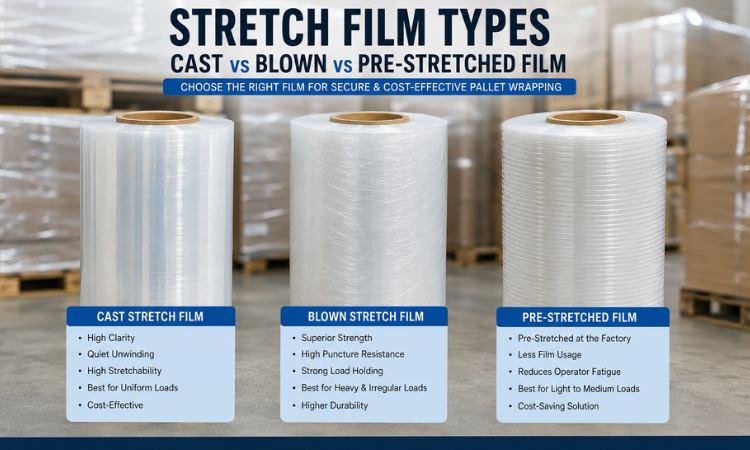
Stretch Film Types: Cast vs Blown vs Pre-Stretched Film – Complete Industrial Guide
A pallet wrapped for the wrong stretch films can lead to unstable loads, torn edges, and damaged products when transporting. Most warehouse managers can focus entirely on getting the best wrapping machines, thus focusing on the best wrapping machines, just to load these machines with the wrong type of material. Choosing the right type of film is just as important as the main equipment itself. But with the stretch film types for the market, why do so many of the businesses end up choosing the not right one? Often, this is simply a lack of clear and practical information. For this complete industrial guide, we will be breaking down exactly the different types of films that exist and practical information. For the full guide, we will be breaking down exactly the different films that exist, comparing the cast for the pre-stretched films, and helping in deciding which one saves the business money and time as well. What Is Stretch Film and Why Does the Type Matter? Stretch film is a highly stretchable plastic film used to secure products tightly on pallets during storage and transportation. It keeps boxes and other items firmly together by using the film’s elastic memory, which creates consistent tension around the load. The performance of stretch film depends largely on the type you choose. The right stretch film can: Keep pallet loads stable during transportation. Protect products from dust, moisture, and dirt. Reduce the risk of tampering. Minimize product damage and packaging costs. Improve warehouse efficiency. Whether you use machine stretch film for automated pallet wrappers or hand stretch film for manual wrapping operations, selecting the right film directly affects packaging quality, speed, and overall operating costs. Different Types of Stretch Film at a Glance Here’s the right comparison for helping in understanding the main differences before we go deep: Film Type Manufacturing Process Tear Resistance Stretch Capacity Noise Level Transparency Best Applications Cost Cast Cast extrusion (chill rolls) Moderate High (250%+) Very Quiet High (Clear) Uniform, light loads Lower Blown Blown extrusion (air bubble) Very High Moderate (150%+) Loud Low (Hazy) Heavy, irregular loads Higher Pre-Stretched Stretched before rolling Low to Moderate Low (already stretched) Quiet High Manual wrapping, light loads Moderate Cast Stretch Film: Features, Advantages, and Best Uses How Cast Stretch Film Is Manufactured Cast stretch film is produced by melting plastic resin and extruding it through a flat die onto chilled rollers. The rapid cooling process gives the film a smooth finish, excellent clarity, and consistent thickness throughout the roll. This manufacturing process makes cast stretch film one of the most widely used packaging materials for standard pallet wrapping applications. Key Features of Cast Stretch Film High clarity for easy barcode and label scanning. Glossy appearance that improves product presentation. Quiet and smooth unwinding during application. Consistent film thickness across the entire roll. Excellent two-sided cling for secure pallet wrapping. Advantages of Cast Stretch Film Cast stretch film offers several advantages for businesses handling standard pallet loads. Lower production cost compared to blown stretch film. Easy to stretch during both manual and machine wrapping. Requires less effort for operators during hand wrapping. Excellent clarity for warehouse identification and inventory management. Provides consistent wrapping performance for uniform loads. Because of its cost-effectiveness and ease of use, cast stretch film is often the preferred choice for high-volume packaging operations. Limitations of Cast Stretch Film Although cast stretch film performs well for standard applications, it has a few limitations. Lower puncture resistance than blown stretch film. Tears can spread more easily if the film is punctured. Not the ideal choice for pallets with sharp edges or irregularly shaped products. For heavy industrial loads, a stronger film may provide better protection. Best Industries That Use Cast Stretch Film Cast stretch film is ideal for businesses that package uniform, lightweight, or regularly shaped products. It is commonly used in: Food and beverage manufacturing Retail distribution centers E-commerce fulfillment warehouses Consumer goods packaging Pharmaceutical and FMCG industries These industries benefit from the film’s excellent clarity, quiet operation, and cost-efficient performance while handling standard pallet loads. Blown Stretch Film: When Is It the Better Choice? How Blown Stretch Film Is Manufactured Blown stretch film is produced by melting plastic resin and forcing it through a circular die to form a large tube or bubble. The bubble is then cooled gradually with air before being flattened and wound into rolls. This slower cooling process creates a stronger molecular structure, making blown stretch film tougher and more resistant to punctures and tears than cast stretch film. Key Features of Blown Stretch Film Blown stretch film is designed for demanding industrial applications where maximum load security is essential. Its key features include: Excellent puncture resistance for sharp or uneven loads. High tear resistance to prevent the film from ripping easily. Strong load-holding force for improved pallet stability. Superior cling that keeps products securely wrapped. Greater elastic memory for maintaining consistent tension. Although it has a hazier appearance and produces more noise during unwinding, its strength makes it a preferred choice for heavy-duty packaging. Advantages of Blown Stretch Film Blown stretch film offers several benefits for industrial packaging operations. Outstanding resistance to punctures and tears. Maintains excellent load stability during long-distance transportation. Performs well in cold storage and varying environmental conditions. Suitable for wrapping irregular, heavy, or sharp-edged products. Reduces the risk of pallet shifting during shipping. Its durability makes it one of the most reliable options for businesses handling challenging loads. Limitations of Blown Stretch Film Despite its strength, blown stretch film also has a few disadvantages. Higher manufacturing cost than cast stretch film. Noisier during application due to its rougher surface. Lower transparency, making barcode and label scanning slightly more difficult. Requires greater stretching force during manual wrapping. For businesses wrapping standard or lightweight pallets, cast stretch film may provide a more economical solution. Best Applications for Blown Stretch Film Blown stretch film is recommended for heavy-duty industrial packaging where load security is the top
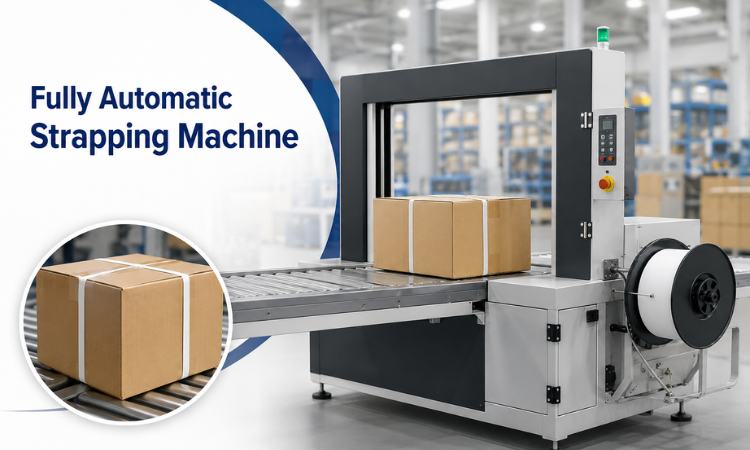
Benefits of Fully Automatic Strapping Machines: Complete Guide for Manufacturers
Benefits of Fully Automatic Strapping Machines for Large Businesses
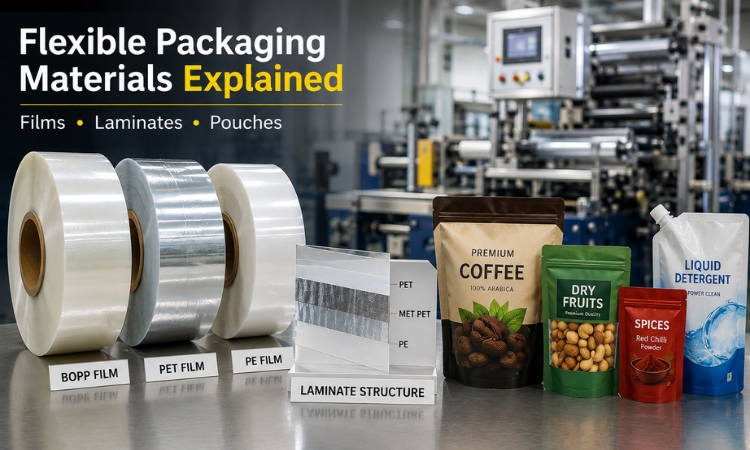
Flexible Packaging Materials Explained: How to Choose the Right Film, Laminate & Pouch
Selecting the right flexible packaging materials is one of the biggest challenges for businesses that want to protect their products while keeping packaging costs under control. Using the wrong material can lead to product damage, reduced shelf life, higher transportation expenses, and poor customer satisfaction. Whether you’re packaging food, pharmaceuticals, cosmetics, or industrial goods, choosing the right combination of films, laminates, or pouches is essential for maintaining product quality and improving supply chain efficiency. In this guide, you’ll learn what flexible packaging materials are, their different types, key benefits, common applications, and practical tips for selecting the best option for your packaging needs. By the end, you’ll have a clear understanding of how the right packaging material can enhance product protection, reduce costs, and support your business goals. What Are Flexible Packaging Materials? Flexible Packaging Materials are packaging materials that can easily bend or change shape while protecting the product inside. Unlike glass jars, metal containers, or rigid plastic boxes, flexible packaging uses lightweight materials such as plastic films, laminates, and pouches. Today, flexible packaging is widely used because it offers: Lower packaging costs Better product protection Improved shelf appeal Reduced transportation expenses Greater design flexibility In addition, flexible packaging works efficiently with modern packaging machinery, helping manufacturers improve productivity and packaging consistency. Industries That Use Flexible Packaging Materials Flexible packaging has become a preferred choice across multiple industries. Food & Beverage Industry Used for snacks, coffee, spices, frozen foods, dairy products, pet food, and ready-to-eat meals. Pharmaceutical Industry Used for tablets, powders, medical devices, and healthcare products requiring protection from moisture and contamination. FMCG Industry Flexible packaging is widely used in detergents, personal care products, household items, and other fast-moving consumer goods, supporting efficient FMCG packaging solutions for protection, branding, and transportation. Agriculture Industry Used for seeds, fertilizers, and crop protection products. Chemical Industry Provides safe packaging for industrial chemicals and specialty products. E-commerce & Retail Helps protect products while reducing shipping costs. Benefits of Flexible Packaging Materials Flexible packaging offers several advantages compared to traditional packaging formats: Reduced material consumption Lower transportation costs Better product protection Extended shelf life Enhanced branding opportunities Improved storage efficiency Compatibility with automated packaging equipment Availability of sustainable packaging options These benefits make flexible packaging one of the fastest-growing packaging segments worldwide. Understanding the Three Core Components of Flexible Packaging 1. Films Films are the base material used in flexible packaging. They provide properties such as: Printability Transparency Sealing performance Moisture resistance Think of films as the foundation of the packaging structure. 2. Laminates A single film often cannot provide all the protection a product needs. Laminates are created by combining multiple layers of materials to improve strength and barrier performance. 3. Pouches Pouches are the final packaging format created from films and laminates. They provide convenience, product protection, and attractive shelf presentation. Simply put: Films → Laminates → Pouches Packaging Films Explained Different films offer different benefits. Choosing the right one depends on your product requirements. BOPP Film BOPP (Biaxially Oriented Polypropylene) is one of the most widely used packaging films. Best for: Snacks Biscuits Bakery products Advantages: Excellent print quality High clarity Good moisture resistance PET Film PET (Polyester Film) is known for its strength and durability. Best for: Coffee packaging Personal care products Premium food packaging Advantages: High strength Heat resistance Premium appearance PE Film PE (Polyethylene Film) is commonly used because of its flexibility and sealing properties. Best for: Frozen foods Industrial products Agricultural products Advantages: Excellent sealing Moisture protection Cost-effective Packaging Films Explained Different films offer different benefits. Choosing the right one depends on your product requirements. BOPP Film BOPP (Biaxially Oriented Polypropylene) is one of the most widely used packaging films. Best for: Snacks Biscuits Bakery products Advantages: Excellent print quality High clarity Good moisture resistance PET Film PET (Polyester Film) is known for its strength and durability. Best for: Coffee packaging Personal care products Premium food packaging Advantages: High strength Heat resistance Premium appearance PE Film PE (Polyethylene Film) is commonly used because of its flexibility and sealing properties. Best for: Frozen foods Industrial products Agricultural products Advantages: Excellent sealing Moisture protection Cost-effective Films vs Laminates: What’s the Difference? FEATURE FILM LAMINATE STRUCTURE SINGLE LAYER MULTIPLE LAYERS PROTECTION MODERATE HIGH COST LOWER HIGHER SHELF LIFE BASIC ADVANCED BARRIER BASIC ADVANCED What Are High-Barrier Laminates and Why Do Brands Use Them? High-barrier laminates protect products from environmental exposure. High barrier laminates offer: Oxygen barrier for freshness Moisture barrier for dry products Aroma barrier for coffee and spices UV barrier for light-sensitive goods Different Types of Pouches and Their Ideal Applications The pouch format can significantly impact product convenience and shelf appeal. Stand-Up Pouch One of the most popular packaging formats. Best for: Dry fruits Snacks Coffee Pet food Why brands prefer it: Excellent shelf visibility Premium appearance Flat Pouch A simple and economical packaging option. Best for: Spices Powders Small food products Zipper Pouch Designed for products that require resealing. Best for: Coffee Dry fruits Health supplements Benefits: Better convenience Extended freshness Spout Pouch Ideal for liquid products. Best for: Sauces Beverages Liquid detergents How to Choose the Right Flexible Packaging Material (Step-by-Step Guide) Step 1: Understand Your Product Determine whether your product is: Food Pharmaceutical Chemical Industrial Consumer goods Each product category has different packaging requirements. Step 2: Determine Barrier Requirements Evaluate sensitivity to: Oxygen Moisture Light Aroma loss Products with higher sensitivity require stronger barrier structures. Step 3: Estimate Shelf Life Longer shelf life requirements generally require laminate structures with enhanced barrier properties. Step 4: Evaluate Transportation Conditions Consider: Temperature Humidity Handling conditions Shipping distance Transportation conditions can significantly impact packaging performance. Step 5: Ensure Packaging Machinery Compatibility Material selection should always match filling, sealing, and packaging equipment requirements. Businesses using automated packaging systems should also ensure compatibility with their packaging machinery and production processes. For palletized products, combining flexible packaging with internal wrapping solutions such as Stretch Wrapping Machines can help improve load stability and reduce transportation damage. Flexible Packaging Material Selection Chart
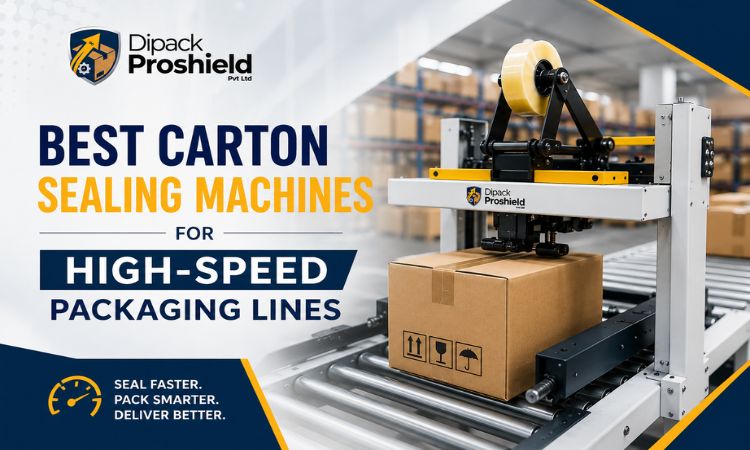
Best Carton Sealing Machines for High-Speed Packaging Lines
All packaging operations actually depend on speed, consistency, along with smooth coordination between production and dispatch. However, in several warehouses and manufacturing units, carton sealing still becomes a major bottleneck during high-volume packaging. And, manual sealing mostly results in slower output, uneven tape application, packaging mistakes, as well as labor dependency, especially during peak dispatch periods. When businesses prioritize the best sealing machines for high-speed packaging lines help businesses solve these operational challenges with faster sealing performance, continuous carton movements, as well as reliable packaging consistency. In this blog, we’ll explore the about best carton sealing machines, their types and their industrial benefits, essential features, common applications, and how businesses can choose the right machine to improve packaging efficiency and long-term operational performance. What is a Carton Sealing Machine? A carton sealing machine is an industrial packaging machine. This machine is used to seal cartons automatically with adhesive tape. If we talk about its common usage, then these machines are usually used in warehouses, manufacturing units, logistic hubs, and e-commerce packaging lines where businesses really need faster and even more reliable sealing of cartons. It automates the sealing process, and helps improve packaging speed, reduce manual effort, and maintain sealing quality during high-volume packaging operations. How a Carton Sealing Machine Works? These machines seal cartons by applying tape to the top, bottom, or sometimes both sides as the carton moves through the conveyor system. And, once the carton is folded and positioned, the machine automatically applies tape with uniform pressure for secure packaging. Automatic Tape Application The machine applies tape evenly and quickly, and helps businesses reduce manual work and packaging time. Top and Bottom Sealing Several machines seal both sides of the carton at the same time for stronger and even more secure packing during transportation. Continuous Packaging Flow Conveyor-based movement enables cartons in order to move smoothly through the machine, and supports high-speed packing operations. Why Do Businesses Use Carton Sealing Machines? Businesses utilize carton sealing machines in order to improve packaging efficiency and reduce daily operations. Faster Packaging Speed With these machines, operators can seal cartons quickly. It makes it easier to handle large shipment volumes. Consistent Packaging Quality Uniform tape application improves sealing accuracy and minimizes packaging errors. Reduced Labor Dependency Automation reduces repetitive manual sealing processes and improves overall productivity. Types of Carton Sealing Machines Semi-Automatic Carton Sealing Machines Semi-automatic carton sealing machines are actually perfect for medium production units. With this machine, operators manually adjust sizes, while the machine automates tape sealing in order to improve speed and reduce manual effort. Fully Automatic Carton Sealing Machines These are designed for high-speed packaging lines. These machines automatically identify carton sizes, adjust their settings, and seal cartons continuously with human involvement. Side Belt Driven Carton Sealers These types of machines use side conveyors for stable carton movement. They are the greater alternative for lightweight or even narrow cartons that need smooth and accurate tape sealing. Top & Bottom Carton Sealing Machines Top and bottom carton sealing machines apply tape simultaneously on both sides of cartons. It provides stronger sealing support for heavy cartons, industrial packaging, along with bulk transportation operations. Find the Right Carton Sealing Machine for Your Business Top Carton Sealing Machines Used in High-Speed Packaging Lines Carton sealing machines are available in a variety of types to meet a variety of packaging requirements. Some are suitable for continuous production lines, others for mixed carton sizes, heavy packaging, or automated warehouses. The selection of the machine should depend on the production volume, carton type, packaging speed, and workflow. Fully Automatic Carton Sealing Machines The fully automatic carton sealing machine is designed for high-speed, high-volume packaging applications where cartons must be sealed automatically and efficiently. The machine automatically senses the dimensions of the carton, set the sealing position, and sew tape without manual operations. Best Suitable For: Large manufacturing units High-speed warehouse packaging FMCG and pharmaceutical industries Continuous production lines Major Advantages High-speed continuous sealing of cartons. Minimal operator involvement Consistent tape application Better production efficiency Random Carton Sealing Machine Random carton sealing machines are built to be used by companies that deal with different-sized cartons throughout the day. These machines can detect the carton size and adjust the machine on the fly, without manual operation. Best suited for: E-commerce warehouses Courier and logistics companies Mixed-size packaging operations Multi-product dispatch environments Major Advantages Adjusts carton size automatically.Adjusts carton size automatically. Reduced packaging downtime Faster mixed-carton sealing Improved dispatch speed Heavy-Duty Carton Sealing Machine Heavy-duty carton sealing machines are specially made to meet the requirements of industrial carton packaging with large and heavy cartons. They offer good tape holding and carton stability to ensure safe shipping and storage. Best suited for Industrial packaging operations Automotive and machinery industries Bulk shipment packaging Heavy product transportation Major Advantages Strong sealing performance Better carton stability Heavy load secure packaging Less damage to products during shipping. Conveyor Integrated Carton Sealing Machine Conveyor-integrated carton sealing machines are part of an automated packaging line and are used to keep the carton moving without stopping during high-speed production. Best suited for: Automated packaging plants High-volume production facilities Smart warehouse systems End-of-line packaging automation Major Advantages Smooth integration of the packaging line Faster production flow Reduced manual handling Improved operational efficiency Key Features to Look for in the Best Carton Sealing Machine High-Speed Sealing Capacity A high-speed carton sealing machine can be used to pack more materials in carton boxes to ensure the continuous production flow and eliminate the delay in carton packing and shipping. Support for adjusting carton size. There are machines available with adjustable carton size supports that can easily be used for sealing different carton sizes, which is perfect for companies with multiple carton size requirements and different carton shipment sizes. Strong and Consistent Tape Application Using the same tape for every carton provides a secure seal, minimizes carton packaging mistakes, and helps stop cartons from opening in storage, handling, and shipping. Machine Built Quality: Durable Industrial Design Construction is engineered